Payday loans and cash advances are often promoted as fast financial relief for emergencies. In the United States, these short-term loans are legal in many states, but the way they are structured and marketed can raise serious ethical concerns. Many borrowers turn to payday loans without fully understanding the high costs, short repayment periods, and rollover risks.
Knowing the difference between what is legally allowed and what is ethically responsible can help consumers avoid long-term financial harm and make smarter borrowing decisions. While these loans may appear convenient at first glance, their long-term impact can be far more complex and damaging than expected.
What Are Payday Loans and Cash Advances?
Payday loans are short-term, high-interest loans that are typically due on the borrower’s next payday. Cash advances work in a similar way, providing immediate funds with repayment expected within a short time frame. These loans are commonly used by individuals who need urgent cash but may not qualify for traditional credit options.
While they offer quick access to money, the total repayment amount can be significantly higher than the original loan due to fees and interest. In many cases, borrowers are required to provide post-dated checks or authorize automatic withdrawals, which can create additional financial pressure if funds are not available in the account on the due date.
Another important aspect to consider is that these loans are often marketed as “easy solutions,” which can lead borrowers to underestimate the risks involved. The simplicity of the application process and instant approval can make them appealing, but this convenience often comes at a high cost.
What Makes Payday Loans Legal in the US?
- Regulated at the State Level
In the United States, payday loan laws vary by state. Some states have strict regulations or outright bans, while others allow payday lending with limits on loan amounts, fees and rollover frequency. Lenders must follow state-specific rules to operate legally, which creates a diverse regulatory landscape across the country.
- Mandatory Fee and Term Disclosure
US regulations require payday lenders to clearly disclose loan terms, total repayment amounts, and applicable fees. When lenders provide transparent agreements and borrowers sign voluntarily, the loan is considered legally valid. However, transparency does not always guarantee that borrowers fully understand the long-term financial implications.
- Licensed Lending Requirements
Legal payday lenders must be licensed and comply with consumer protection laws. Regulatory bodies such as the Consumer Financial Protection Bureau (CFPB) monitor lending practices and enforce rules against deceptive behavior. These measures are designed to protect consumers, but enforcement can vary and not all lenders operate with the same level of integrity.
Despite these regulations, legality does not always mean the loan is affordable or beneficial for borrowers. Many legal practices still place a heavy financial burden on individuals.
Where Legal Practices Become Misleading
- Hidden Costs and Confusing Language
Some payday lenders use complex terms and conditions that make it difficult for borrowers to understand the true cost of borrowing. What may seem like a small fee can translate into extremely high annual percentage rates (APRs). This lack of clarity can lead to unexpected financial strain.
- Rollover Debt Cycles
Although rollovers may be legal in certain states, repeatedly extending a loan leads to additional fees and long-term debt. Borrowers often find themselves trapped in a cycle where they must take out new loans to repay existing ones, increasing their overall financial burden.
- Aggressive Marketing Tactics
Many lenders use persuasive marketing strategies that highlight the benefits of quick cash while downplaying the risks. Advertisements often focus on convenience and speed rather than the true cost of borrowing, which can mislead financially vulnerable individuals.
- Targeting Financially Vulnerable Consumers
Marketing high-cost loans to individuals facing financial hardship may be legal, but it raises serious ethical concerns. These consumers are often in urgent need of money and may not have the time or knowledge to evaluate better alternatives.
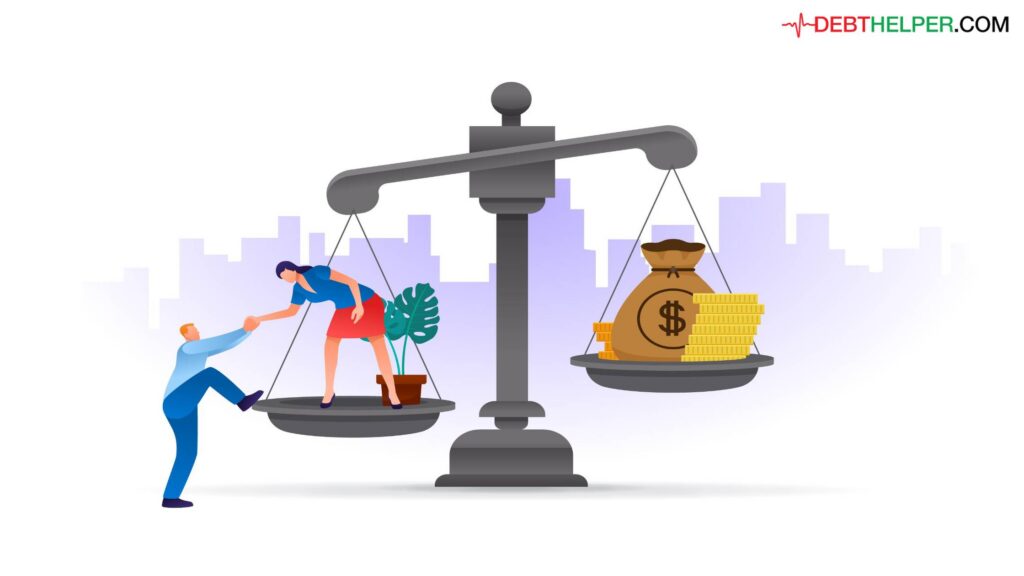
Legal vs. Ethical Lending Practices
Legal lending focuses on meeting regulatory requirements, while ethical lending prioritizes fairness, transparency and the borrower’s ability to repay. A payday loan may be legal but still unethical if it carries extremely high APR rates, encourages repeated borrowing or fails to ensure the borrower fully understands the repayment terms.
Ethical lenders go beyond compliance. They provide clear pricing, flexible repayment options, and responsible lending practices that support long-term financial stability. They also assess a borrower’s financial situation to ensure that the loan does not create additional hardship.
Understanding this distinction is crucial for borrowers. Just because a loan is approved does not mean it is the right financial decision.
Risks for Borrowers in the US
Many payday loans in the US come with annual percentage rates (APRs) that can exceed 300–400 percent. Borrowers often face short repayment deadlines, which can lead to taking out new loans to cover previous ones. This creates a cycle of debt that increases financial stress rather than solving short-term cash needs.
High fees, automatic withdrawals, and lack of flexible repayment options can further worsen a borrower’s financial situation. In some cases, missed payments can result in additional penalties, bank overdraft fees and negative impacts on financial stability.
Another major risk is the psychological stress associated with constant debt. Borrowers may feel trapped, leading to anxiety and difficulty managing other essential expenses such as rent, utilities and groceries.
The Role of Ethical Financial Assistance
Ethical financial services focus on helping consumers regain control of their finances rather than trapping them in high-cost debt. Reputable debt relief and financial guidance platforms, such as DebtHelper, emphasize education, transparent solutions and sustainable repayment strategies.
Instead of promoting high-interest borrowing, they help individuals explore safer alternatives like structured repayment plans, budgeting support and lower-interest options. These services aim to provide long-term solutions rather than temporary fixes.
Financial education also plays a key role. When individuals understand how interest rates, fees and repayment structures work, they are better equipped to make informed decisions and avoid harmful financial products.
Safer Alternatives to Payday Loans
Safer alternatives to payday loans include personal installment loans that offer lower interest rates and longer repayment periods, making monthly payments more manageable. These loans are often provided by banks and online lenders with clearer terms and better consumer protections.
Many credit unions in the United States also provide small-dollar loans with capped interest rates, which are far more affordable than payday lending. These institutions are typically member-focused and prioritize financial well-being over profit.
Some employers offer paycheck advances without high fees or interest, helping employees handle short-term cash needs responsibly. This can be a practical solution for individuals who need immediate funds but want to avoid high-interest debt.
Additionally, debt counseling and structured repayment plans can help borrowers manage existing debt and avoid taking on new high-cost loans. Nonprofit credit counseling agencies can provide personalized guidance and support.
Borrowers can also consider building an emergency savings fund over time, even if it starts with small contributions. Having a financial cushion can reduce reliance on high-cost borrowing in the future.
Final Thoughts
Payday loans and cash advances may be legal, but legality does not always mean they are fair or ethical. Hidden fees, high interest rates and rollover practices can create significant financial hardship for borrowers.
Understanding the difference between legal compliance and ethical responsibility helps individuals make informed decisions and avoid debt traps. Choosing transparent lenders and exploring safer alternatives is the best way to manage short-term financial needs without long-term consequences.
Ultimately, financial decisions should be based on long-term stability rather than short-term convenience. Being informed, cautious and proactive can make a significant difference in maintaining financial health.
FAQs
- Are payday loans legal?
Yes, payday loans are legal in many regions, but they are regulated differently depending on local financial laws. - Why are payday loans considered risky?
They often come with high interest rates, short repayment periods and additional fees that can lead to a cycle of debt. - What is the difference between legal and ethical lending?
Legal lending follows regulations, while ethical lending focuses on fairness, transparency and borrower well-being. - Can payday loans affect financial health?
Yes, repeated borrowing and high repayment costs can increase financial stress and lead to long-term debt. - What are safer alternatives to payday loans?
Personal loans, credit union loans, salary advances and structured payment plans are often more affordable options.