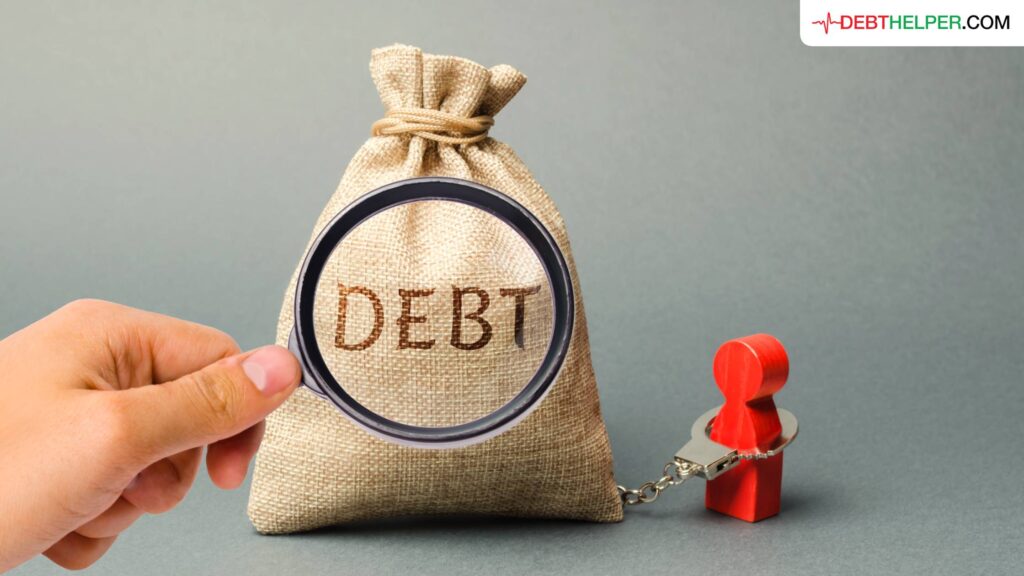
Some experts say the recession has changed how debt should be viewed
By Marcia Frellick
Does “Good” Debt Still Exist?
Many people now question whether “good” debt still exists. Financial experts disagree, but most agree that today’s economy has changed how we should view debt.
For years, people divided debt into two groups. Mortgages and student loans counted as good debt. They usually had lower interest and promised long-term benefits. Credit cards and car loans fell into the bad debt category.
However, high unemployment, falling home prices, and rising education costs challenge this idea. According to the College Board, private college tuition now averages more than $37,000 per year. With these realities, many wonder if any debt is truly safe.
Why Some Experts Say All Debt Is Risky
Personal finance author David Bach believes good debt no longer exists. He says the recession taught a hard lesson. Debt becomes bad when people cannot repay it.
Bach explains that many Americans spend 30 to 50 percent of their income on interest alone. In some cases, it is even more. This heavy burden has changed how people view borrowing.
Cars and Credit Cards: Mostly Bad Debt
Most experts agree that large car loans make little sense. Cars lose value quickly. If you need a car for work, buy an affordable one and borrow as little as possible.
Credit card debt sparks more debate. Jordan Goodman warns against it. High interest rates make it nearly impossible to earn more than you pay. Credit card interest is also not tax deductible.
However, Lita Epstein offers a different view. She says small balances can help build credit. Using only 10 to 20 percent of your credit limit shows responsible behavior. Paying on time improves your credit score.
Robert Pagliarini adds another perspective. He believes credit card debt can be good if it helps you earn money. For example, buying equipment that creates income can justify borrowing.
Student Loans: A Risk That Depends on Income
Student loans can still be good debt, but only in certain cases. Carol Roth says borrowers must expect a salary that allows fast repayment. This often means choosing a high-paying field or a lower-cost school.
Education also has personal value beyond money. However, each person must decide if the cost makes sense.
Liz Weston offers a simple rule. Do not borrow more than you expect to earn in your first year of work.
Pagliarini agrees that education still pays off long term. Data shows people with college degrees earn more and face lower unemployment.
Still, Goodman warns about the risks. Student loans cannot be erased through bankruptcy. This makes them especially dangerous if income falls short.
When College May Not Pay Off
Thomas Alexander believes student loans only make sense for high-paying careers. Fields like medicine, engineering, and accounting offer better returns.
Degrees in low-paying fields may not justify the debt. Alexander also notes that trades can offer strong earnings. Plumbers and electricians often earn more than many college graduates.
College is not the only path to success.
Mortgages vs. Renting
Some experts question whether mortgages still build wealth. Home prices have dropped in many areas. Many homeowners owe more than their homes are worth.
Jordan Goodman says tax benefits often get overstated. Even with deductions, homeowners still pay most of the cost themselves.
Carol Roth says the decision depends on math and lifestyle. She explains that buying a home may cost less over 30 years than renting. Homeownership also leaves you with an asset at the end.
However, she warns buyers to consider taxes, insurance, repairs, and maintenance. Renters may invest the savings instead.
Final Thoughts on Good and Bad Debt
There is no single answer to what qualifies as good debt. The right choice depends on income, goals, and risk tolerance.
Still, experts agree on one point. Paying down debt is always smart.
David Bach puts it simply: paying off debt never backfires. It remains one of the safest financial moves you can make.